
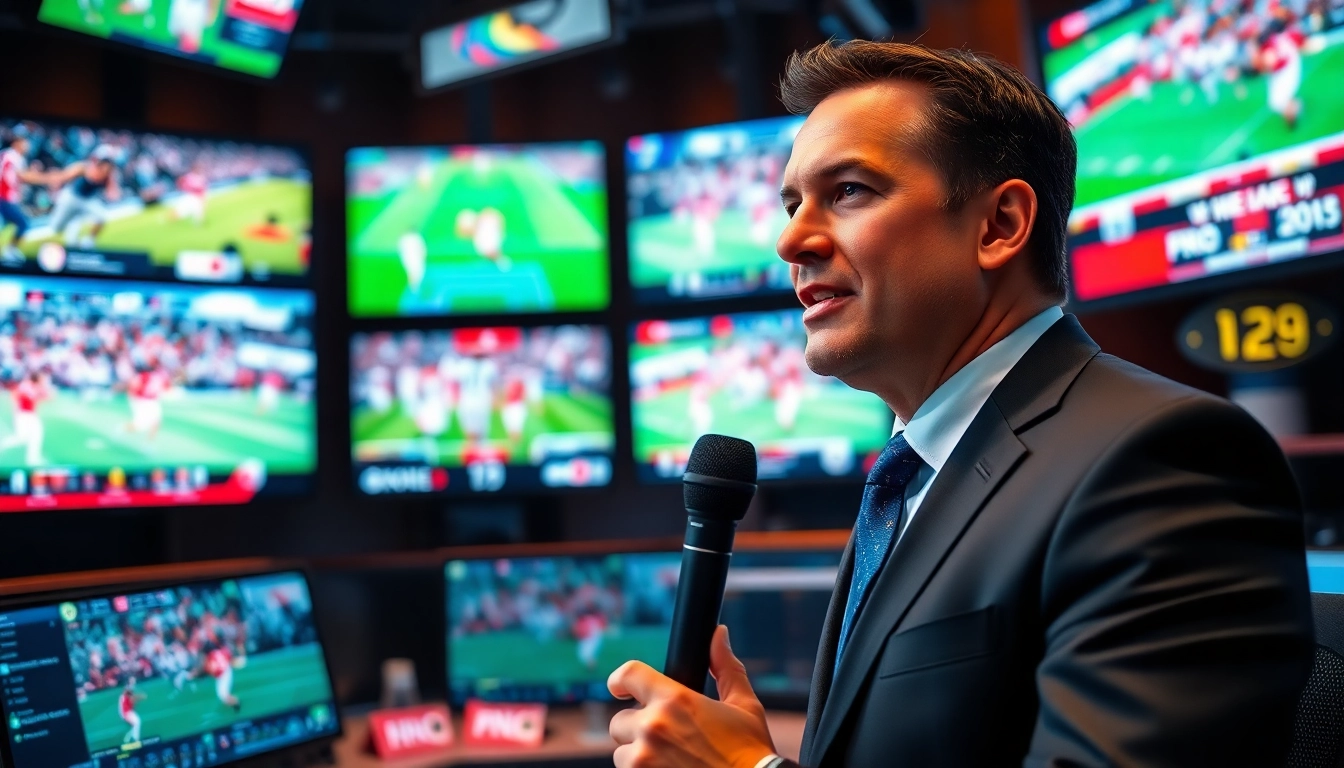
Understanding Sports Broadcasting Fundamentals
What is Sports Broadcasting?
Sports broadcasting refers to the dissemination of live or recorded sporting events via television, radio, or online platforms. This form of media connects fans with their favorite sports teams and athletes, allowing them to experience the thrill of the game from anywhere in the world. Current advancements in technology and the rise of streaming services have transformed traditional practices in this field. As audiences increasingly seek real-time updates and immersive content, the efficiency and creativity behind sports broadcasts have become critical to engaging viewers.
Today, Sports Broadcasting serves not just as a means of enhancing fan experience but also as a lucrative business model for networks and franchises. Broadcasters curate content, manage rights, and ensure ethical reporting while constantly innovating to remain relevant in a competitive landscape.
Key Roles in Sports Broadcasting
The world of sports broadcasting comprises various roles, each contributing to an effective and engaging viewer experience:
- Commentators: They provide real-time analysis, bringing expertise and engaging storytelling to the viewing audience.
- Producers: Producers oversee the entire broadcast, ensuring that each segment flows smoothly while coordinating the technical and creative aspects of the show.
- Cameramen: Skilled in capturing the action, cameramen employ various techniques to provide viewers with immersive visual experiences.
- Editors: Editors work to compile footage into cohesive segments, ensuring that highlights and critical moments are presented clearly.
- Graphic Designers: They create visuals and animations that enhance storytelling and provide context during broadcasts, like player statistics or replay analysis.
Evolution of Sports Broadcasting
The evolution of sports broadcasting has been shaped by technological advancements and changing viewer preferences. It began with radio broadcasts in the early 20th century, allowing fans to follow their favorite teams through rich audio commentary. The introduction of television in the mid-20th century revolutionized the field, bringing live events into homes while adding a visual dimension to coverage.
The advent of the internet and streaming platforms led to a seismic shift in how audiences consume sports content. Viewers now have access to on-demand services and personalized experiences. Integrating social media further enhances interaction, allowing fans to engage with broadcasters and fellow enthusiasts in real-time. This progression exemplifies the ongoing transformation within sports broadcasting, where adaptability is crucial for success.
The Technology Behind Sports Broadcasting
Essential Equipment for Broadcasts
Broadcasters rely on a wide array of equipment to deliver high-quality broadcasts. Critical components include:
- Cameras: High-definition and drone cameras are utilized for capturing games from various angles, enhancing visual engagement.
- Audio Equipment: High-quality microphones ensure that commentators, interviews, and crowd sounds are captured clearly.
- Production Switchers: These devices allow for seamless transitions between various video feeds and graphics during a live broadcast.
- Transmission Technology: This includes satellites and fiber optics, ensuring that signals are sent without interruption.
- Graphics Software: Tools for creating dynamic overlays, stats, and animations that enhance viewer understanding.
Advances in Sports Broadcasting Technology
Technological advancements have continuously enhanced the quality and accessibility of sports broadcasting. Some innovations worth noting include:
- 4K and 8K Resolution: Ultra-high-definition broadcasting offers a more immersive viewing experience, allowing fans to appreciate details they might miss in standard definition.
- Virtual and Augmented Reality: These technologies create unique viewing experiences, allowing fans to engage with games in new ways, such as participating in virtual arenas.
- Artificial Intelligence: AI is increasingly being used to analyze game footage and offer insights, further enhancing commentary and reporting accuracy.
- Mobile Streaming: As mobile technology evolves, broadcasters are leveraging it to deliver content directly to smartphones and tablets, catering to on-the-go audiences.
Streaming vs. Traditional Broadcasting
The main difference between traditional broadcasting and streaming lies in accessibility and viewer control. Traditional broadcasting operates on set schedules with predetermined airtimes, limiting viewing flexibility. In contrast, streaming allows audiences to consume content when they choose, leading to increased time spent watching sports.
Moreover, streaming services often allow for more diverse content, including behind-the-scenes features, player interviews, and classic games. One challenge for streaming is the reliance on stable internet connections, but advancements in technology continue to address this issue. The competition between these two formats is reshaping the broadcasting landscape as both attempt to cater to evolving viewer preferences.
Content Creation in Sports Broadcasting
Scriptwriting for Sports Commentators
Effective scriptwriting is crucial for sports commentators, ensuring they convey critical information fluidly and engagingly. A well-crafted script includes understanding the game’s context, key player statistics, and background stories, presenting them naturally during broadcasts.
Commentators often prepare bullet points rather than word-for-word scripts, enabling them to maintain the emotional pulse of the game and respond more dynamically. Scriptwriting should prioritize clarity and conciseness while leaving room for spontaneity and interaction with viewers.
Live Reporting Techniques
Live reporting requires a distinct set of skills that differ from typical journalism. Reporters must navigate real-time updates, maintaining composure amid the game’s excitement. They often utilize shorthand or on-the-fly notes to ensure they capture essential points without losing focus during high-energy moments.
Additionally, building relationships with teams and maintaining communication with producers is vital for securing timely updates and accurate information. Training in voice modulation and pacing can further enhance a reporter’s effectiveness, allowing them to convey the excitement of a game while providing necessary information to viewers.
Engaging the Audience with Storytelling
Storytelling holds the power to transform sports broadcasts from mere events into compelling narratives. Broadcasters who succeed in grabbing viewers’ attention often draw upon human interest angles, historical comparisons, and anecdotes about players and teams.
Effective storytelling requires not only delivering statistics but weaving them into rich narratives that resonate emotionally with the audience. This approach cultivates a deeper connection between viewers and the sports they love, increasing engagement and loyalty.
Challenges Facing Sports Broadcasting
Navigating Rights and Licensing Issues
Securing broadcasting rights is a prominent challenge hindering many networks and platforms. Legal complexities can stall negotiations, especially with the increasing value of media rights and the competition for popular sporting events.
Broadcasters must remain vigilant regarding licensing agreements to avoid potential lawsuits and financial losses. Understanding regional rights, negotiating contracts, and keeping abreast of changing laws are essential strategies for navigating this landscape.
Balancing Viewer Expectations and Authenticity
Broadcasters often face the challenge of balancing viewer expectations with authentic reporting. Fans desire excitement and entertainment, but journalists must also prioritize integrity and factual accuracy. Balancing these aspects requires skilled monitoring of feedback and audience engagement, ensuring that broadcasts remain entertaining without sacrificing journalistic principles.
Adapting to Changing Consumption Habits
The shift toward digital content consumption poses threats and opportunities for broadcasters. As younger generations prefer on-demand content available on various devices, traditional networks must adapt strategies to stay relevant. Investing in technology that can provide interactive features enhances user experience, allowing audiences to engage at a deeper level and adapt their offerings accordingly.
Future Trends in Sports Broadcasting
The Impact of Social Media on Broadcasting
Social media profoundly impacts sports broadcasting, enhancing viewer interaction and creating new engagement avenues. Broadcasters utilize platforms like Twitter and Instagram to share real-time updates, behind-the-scenes content, and interact with fans directly.
This interaction fosters a sense of community among fans and enhances broadcasters’ awareness of viewer preferences and trends, prompting them to tailor content accordingly. Engaging social media strategies are rapidly becoming integral to successful sports broadcasting.
Virtual Reality and Augmented Reality Innovations
The use of virtual and augmented reality represents a frontier in sports broadcasting technology. These innovations allow viewers to experience games in unprecedented ways, from immersive virtual environments to interactive overlays during broadcasts. Enhanced stadium experiences may become a standard feature, further blurring the lines between live and televised sports.
As technology progresses, broadcasters will need to invest in VR and AR capabilities to provide compelling content that keeps fans returning, especially in a competitive market.
Predictions for the Future of Sports Broadcasting
Moving forward, the future of sports broadcasting will likely revolve around greater personalization and interactivity. Enhanced analytics and machine learning could enable customized viewer experiences, catering to individual user preferences, from tailored highlight reels to interactive polls during contests.
Moreover, we can expect further integration of eSports into traditional sports broadcasting, bridging gaps between multiple audience segments. The focus will always be on how to innovate continually and reach audiences, ensuring the sports broadcasting landscape continues to evolve dynamically.
FAQs
How do I get started in sports broadcasting?
Begin by pursuing a degree in communications, journalism, or broadcasting, and gain experience through internships at local stations or online platforms.
What skills are essential for a sports broadcaster?
Strong verbal communication, a deep understanding of sports, quick thinking, and the ability to engage an audience are crucial skills for success.
How has technology changed sports broadcasting?
Technology has introduced live streaming, high-definition visuals, and immersive experiences like augmented reality, enhancing viewer engagement significantly.
What are common challenges in sports broadcasting?
Common challenges include securing broadcasting rights, maintaining authenticity, and adapting to the rapidly changing landscape of media consumption.
What future trends should we expect in sports broadcasting?
Expect to see growth in online streaming, the use of virtual reality experiences, and increased viewer interaction through social media platforms.