
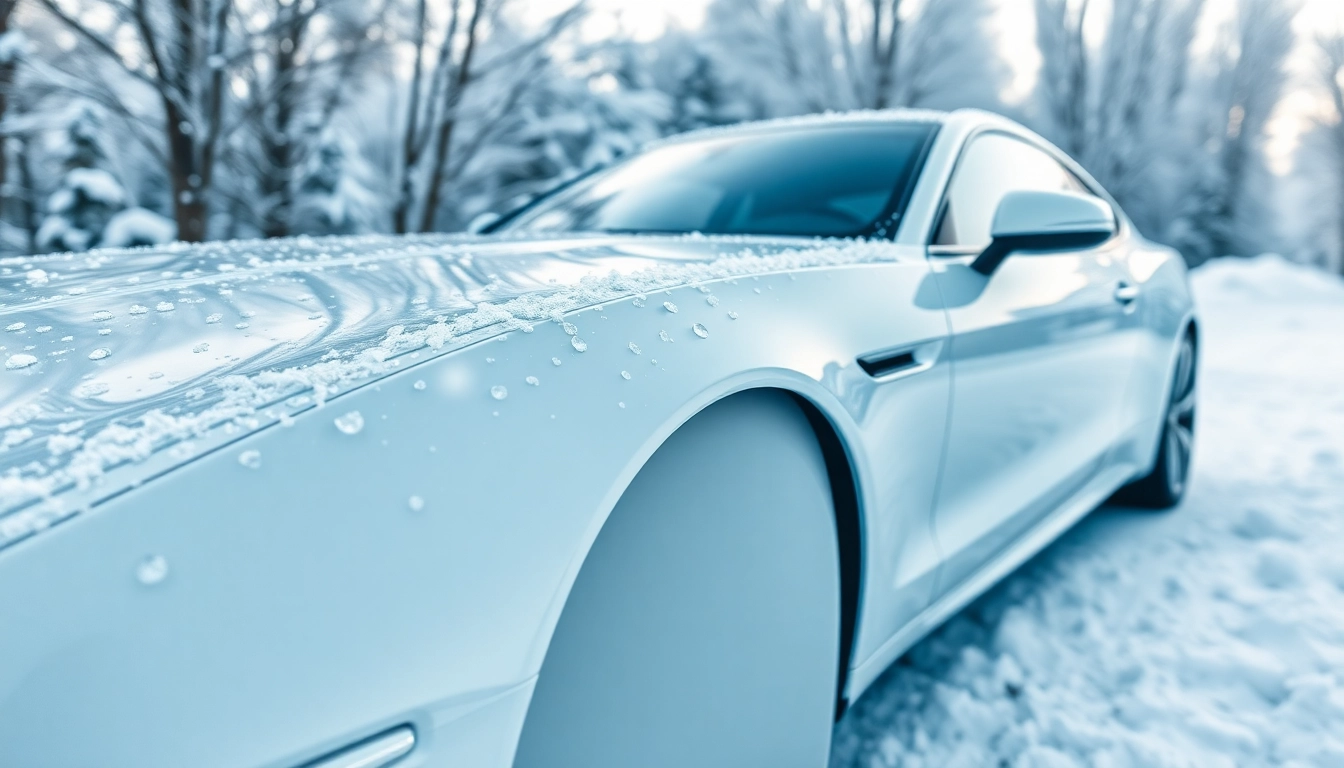
Understanding PPF Winter Road Salt Protection
What is PPF and How Does It Work?
Paint Protection Film (PPF) is a transparent thermoplastic urethane film applied to the painted surfaces of vehicles to protect against scratches, chips, and other environmental damage. The film utilizes the properties of self-healing technology, meaning minor scratches and swirl marks can disappear when heat is applied. This is crucial for vehicles exposed to harsh winter conditions, where road salt and debris can severely damage the surface.
PPF adheres strongly to the vehicle’s paint, creating a barrier that is almost imperceptible. Its main components include polyurethane, which is not only durable but also flexible, allowing it to conform to the curves and lines of the vehicle. By selecting quality PPF, you ensure long-lasting protection that keeps your vehicle looking new longer. For those interested in understanding how this film can shield your vehicle during winter, you can explore more about PPF winter road salt protection.
The Benefits of PPF in Winter Conditions
Using PPF during winter comes with several benefits. Firstly, it acts as a shield against the abrasive nature of road salt, which can chip paint and lead to corrosion. The film essentially absorbs impacts, protecting the vehicle’s finish from debris, and mitigates the risk of long-term damage.
Additionally, PPF can prevent the formation of rust caused by exposed metal. Winter weather often leads to moisture accumulation, and when combined with road salt, the corrosive effect intensifies. PPF creates a waterproof layer over the paint, allowing for easy cleaning after winter storms.
Another benefit is UV protection. Although the winter sun may seem mild, UV rays can still damage paint over time. High-quality PPF is designed to block out these harmful rays, further extending the life of your vehicle’s finish.
Common Misconceptions About PPF
Despite its many benefits, there are misconceptions about PPF that deter vehicle owners from applying it. One common belief is that PPF is only for high-end vehicles. In reality, it can be beneficial for any vehicle type, providing protection regardless of the make or model.
Another myth is that PPF alters the vehicle’s appearance; however, quality films are designed to be virtually invisible. Once applied, PPF enhances the vehicle’s glossy finish, making it appear well-maintained.
Some people may assume PPF is a temporary solution, but when properly installed, it can last for several years, offering peace of mind through different weather conditions. Understanding these misconceptions helps consumers make informed decisions about their vehicle’s care.
Challenges of Winterizing Your Vehicle
Impact of Road Salt on Vehicle Finishes
Road salt is one of winter’s worst enemies for vehicles. It is designed to accelerate the melting of ice and snow on roadways, but it can have a devastating effect on a vehicle’s finish. When road salt combines with moisture, it forms a corrosive solution that can penetrate paint and aluminum, leading to extensive damage over time.
The pitting and rusting that occurs are not merely cosmetic issues; they can lead to more serious problems with the vehicle’s integrity. Components such as bumpers and undercarriages can suffer from the effects of salt exposure, potentially leading to expensive repairs if not protected.
Identifying Vulnerable Areas on Your Vehicle
To effectively winter-proof your vehicle, it is important to identify the areas most vulnerable to salt damage. The front bumper, side mirrors, and wheel wells are often the first to succumb to the harsh effects of winter conditions. The lower panels of your vehicle, especially around the tires, are also susceptible as they are more exposed to road grime and salt spray.
Other vulnerable areas may include the undercarriage and the engine bay, where moisture retention can lead to rust formation. Regularly inspecting these areas during winter months can help catch any early signs of damage before they escalate.
Comparing PPF to Other Protective Methods
When considering protection options for your vehicle during winter, a few methods come to mind, each with its pros and cons. Wax and sealants offer temporary protection, but they typically wash away after several washes or can wear away due to harsh weather conditions.
Ceramic coatings are another option that provides durable protection against the elements. However, they usually require professional application and can be more costly than PPF. In contrast, PPF offers a combination of durability, scratch resistance, and a self-healing capability, making it a more comprehensive option for winter road salt protection.
Ultimately, the choice between these methods boils down to the level of protection you seek and your budget. PPF stands out as a long-lasting and effective measure for maintaining your vehicle’s aesthetics and integrity during winter.
Essential Steps to Apply PPF for Winter Prep
Professional vs. DIY PPF Installation
Deciding between professional installation and a DIY approach for applying PPF can greatly influence the outcome. Professional installers typically have the expertise and tools to apply the film flawlessly, ensuring no bubbles or misalignments. They can also uniquely place the film to cover the most vulnerable areas of your vehicle effectively.
On the other hand, DIY application can be cost-effective, especially for those who have some experience with vehicle vinyl wraps. However, it is essential to understand that a successful installation requires time, patience, and attention to detail. If you’re unfamiliar with the process, opting for a professional is recommended to achieve the best results.
Best Practices for Preparing Your Car
Preparation is key to a successful PPF installation. Start by thoroughly washing your vehicle to remove dirt and grime. Use a clay bar to remove any impurities that remain post-wash, as contaminants on the surface can jeopardize the adhesion of the film.
After washing, ensure the vehicle is completely dry and that every surface is free of dust. Applications in a temperature-controlled environment help prevent operational hiccups caused by humidity or dirt. Lastly, inspect the panels where you intend to apply PPF to ensure there are no existing scratches or damages.
Maintaining Your PPF After Installation
Maintaining your PPF involves simple yet effective practices. Regular washing is vital to remove road salt and grime that can accumulate over time. Use a pH-neutral car shampoo and avoid abrasive tools that can scratch the film. It’s also important to minimize exposure to high-pressure washes and automatic car washes with brushes.
Inspect the film periodically for any signs of lifting or yellowing, especially after winter. If you notice any issues, consult a professional for repair options. With proper maintenance, PPF can last for years, effectively preserving your vehicle’s exterior.
Performance Metrics of PPF in Harsh Weather
Evaluating Longevity and Durability
The longevity of PPF is one of its most desirable features. Depending on the quality of the film and the environment in which the vehicle is used, PPF can last anywhere from five to seven years or more. High-quality films are engineered to withstand harsh climates, making them ideal for areas with significant winter weather.
Durability against scratches and chemical exposure is another essential performance metric. PPF is resistant to many common contaminants such as bird droppings, tree sap, and road salt, thus maintaining the integrity of the vehicle’s finish over time.
Customer Experiences: Real-World Feedback
Customer feedback can provide valuable insights into the effectiveness of PPF in real-world scenarios. Many users report a noticeable reduction in paint chips and scratches when PPF is applied, often expressing satisfaction with the film’s self-healing properties.
In addition to protecting the vehicle’s exterior, customers highlight the aesthetic benefits of PPF, noting that their vehicles retain a new look despite harsh winter conditions. Testimonials often cite PPF as a worthwhile investment, reinforcing the value of professional installation for optimal results.
Measuring Cost vs. Value Over Time
The initial cost of applying PPF can range significantly depending on the vehicle size and the complexity of the installation. However, when weighing the cost against the value of preventing potential paint damage and corrosion, it becomes clear that PPF can save vehicle owners money in the long run.
Consider the cumulative costs associated with repainting or repairing a vehicle damaged by road salt; these can far exceed the investment in PPF. Additionally, maintaining a vehicle’s aesthetic condition can bolster its resale value.
Frequently Asked Questions About PPF
What is PPF made of and how effective is it?
PPF is primarily made from polyurethane, which is known for its flexibility and durability. It effectively protects against scratches and road debris.
How often should I apply PPF for winter protection?
Generally, PPF is a long-term solution and does not need to be reapplied annually. A professional installation can last several years for optimal protection.
Can PPF withstand heavy snow and road salt?
Yes, PPF is designed to withstand harsh weather conditions, including heavy snow and road salt, offering excellent protection to your vehicle’s finish.
Is professional installation necessary for optimal results?
While DIY installation is possible, professional installation is recommended for optimal results, ensuring proper alignment and adhesion.
What maintenance does PPF require in winter?
Regular washing with pH-neutral soap is essential to maintain PPF. Avoid high-pressure washes that could damage the film and check for signs of wear periodically.